Treeless, in two different ways
Arctic tundra, alpine tundra, and the year that sets them apart
Both are cold, both are short of trees, and they are not the same place. Open the year-wheel desk to put a 50-to-60-day Arctic growing season next to a roughly 180-day alpine one, and to keep permafrost described as widespread in the Arctic, and only patchy, or typically absent, in the alpine.
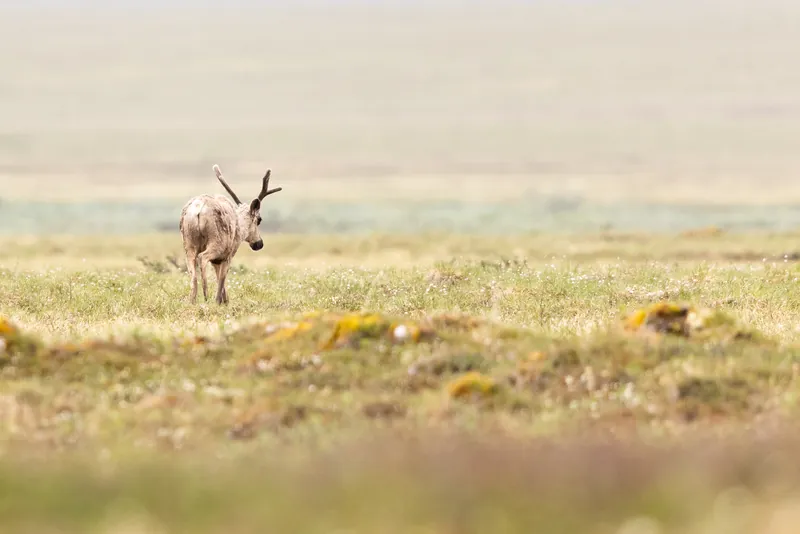
The National Park Service says tundra is the coldest of biomes, and that the name comes from the Finnish word tunturia, meaning treeless plain. [NPS Arctic] There are two types of tundra, the same page says: arctic tundra is above latitudinal treeline and alpine tundra is above elevational treeline. [NPS Arctic]
The photographs on this site are labelled as Arctic or alpine, so a caribou on an Alaskan coastal plain is not asked to stand in for a bighorn on a Colorado ridge.
The year-wheel
Growing seasons, a Rocky Mountain summer, and the active layer, kept on separate rings.
Arctic tundra
Latitudinal treeline, a 50-to-60-day season, and permafrost under the ground.
Alpine tundra
Elevational treeline, a longer season, and the dates from Rocky Mountain National Park.
Permafrost
Widespread in the Arctic; patchier, or typically absent, in the alpine — both wordings stay in view.