Home · Permafrost
Frozen ground
What stays frozen, and what thaws
Arctic tundra is underlain by a layer of permanently frozen soil called permafrost, which is permanently frozen ground that affects nearly everything in the Arctic ecosystem, including soils, vegetation, water, and wildlife. [NPS Arctic] During summer months, the top layer of soil thaws — known as the active layer — creating a wet landscape with rapid runoff. [NPS Arctic]
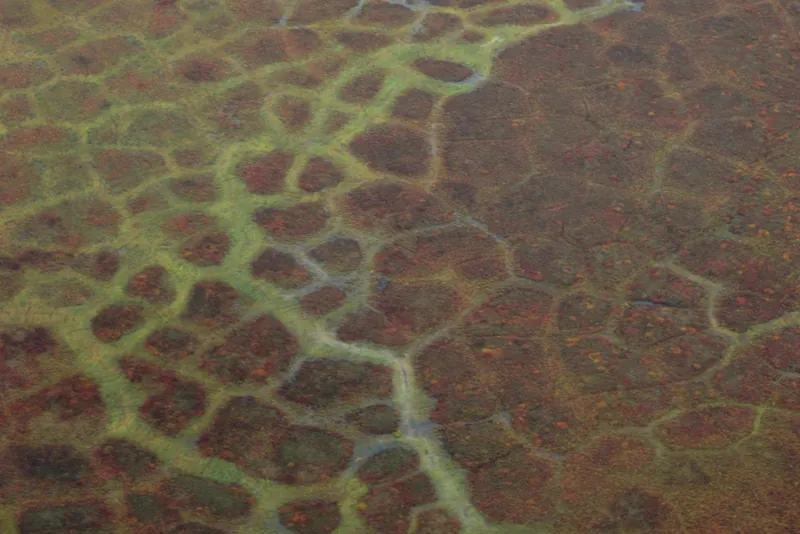
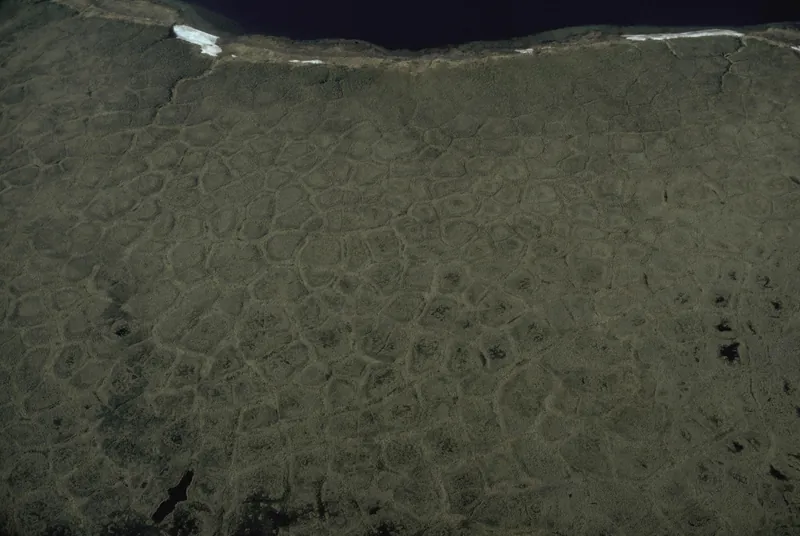
Alpine tundra is distinguished from Arctic tundra, that page says, in that alpine tundra typically does not have permafrost and alpine soils are generally more porous than Arctic soils. [NPS Arctic] Permafrost, which the park defines as an area with a permanently (year-round) frozen subsurface soil layer, is common and widespread in arctic tundra, but patchier within alpine tundra. [NPS Rocky Mountain]
The Arctic-overview page says alpine tundra typically does not have permafrost, and that alpine soils are generally more porous. Rocky Mountain National Park says permafrost is common and widespread in arctic tundra, but patchier within alpine tundra. Both sentences stay on this page.
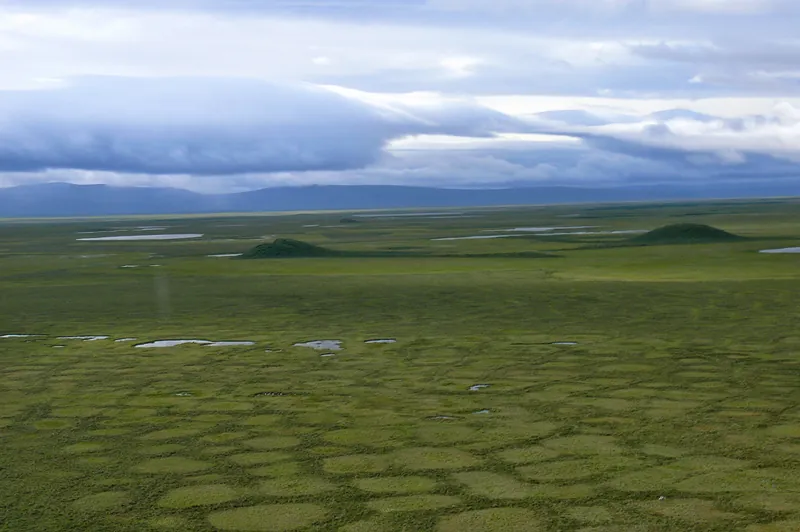
NOAA’s Arctic Report Card 2022 says the circumpolar average peak tundra greenness value in 2022 declined from the record high values of the previous two years, but still represented the fourth highest value since 2000. [NOAA] Satellite observations, NOAA writes, made a phenomenon known as “the greening of the Arctic” evident, a change dynamically linked with Earth’s changing climate, permafrost, seasonal snow, and sea-ice cover. [NOAA]
NOAA’s 2022 greenness figure is a circumpolar Arctic observation, not a measurement of Colorado alpine turf. It belongs with the Arctic ring of the year-wheel, not with the Rocky Mountain summer dates.