Home · Arctic tundra
High latitude
Above the latitudinal treeline
Arctic tundra, as high-latitude tundra, is located in the northern hemisphere, encircling the north pole and extending south to the coniferous forests of the taiga or boreal forest, and the Arctic is known for its cold, desert-like conditions. [NPS Arctic] There are two types of tundra, the same page says: arctic tundra is above latitudinal treeline and alpine tundra is above elevational treeline. [NPS Arctic] Lake Clark National Park and Preserve says there are two kinds of tundra in Alaska, alpine and arctic: Arctic tundra is found north of the permafrost line, generally north of the arctic circle, and alpine tundra is found around the state at high elevations — the kind found in that park. [NPS Lake Clark] The National Natural Landmarks tundra page says alpine tundra are found at high elevation on mountaintops, whereas arctic tundra are located on high-latitude landmasses above the Arctic Circle or in far southern reaches like Antarctica. [NPS landmarks]
One Park Service page places Arctic tundra above the latitudinal treeline. Lake Clark’s page says north of the permafrost line, generally north of the Arctic Circle. The landmarks page says high-latitude landmasses above the Arctic Circle, or far southern reaches such as Antarctica. Those lines are related, and they are not identical.
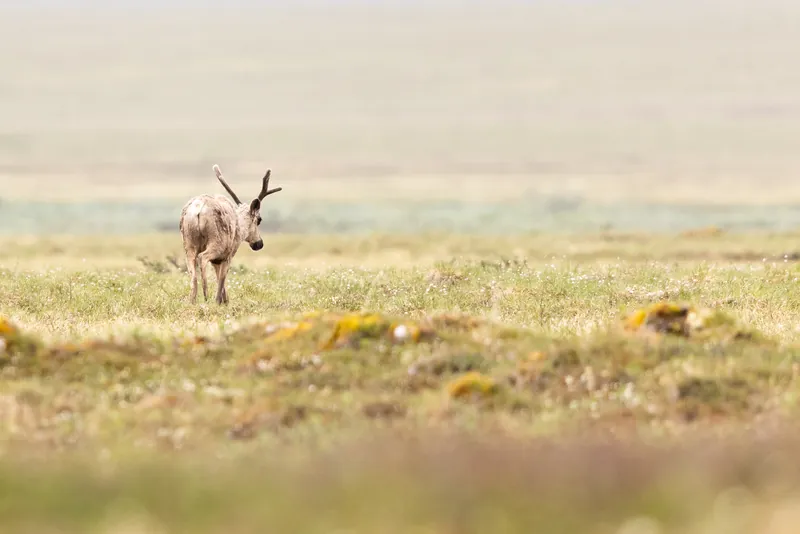
For Arctic tundra, the Park Service says the growing season ranges from just 50 to 60 days. [NPS Arctic] Arctic tundra is underlain by a layer of permanently frozen soil called permafrost, which is permanently frozen ground that affects nearly everything in the Arctic ecosystem, including soils, vegetation, water, and wildlife. [NPS Arctic] During summer months, the top layer of soil thaws — known as the active layer — creating a wet landscape with rapid runoff. [NPS Arctic]
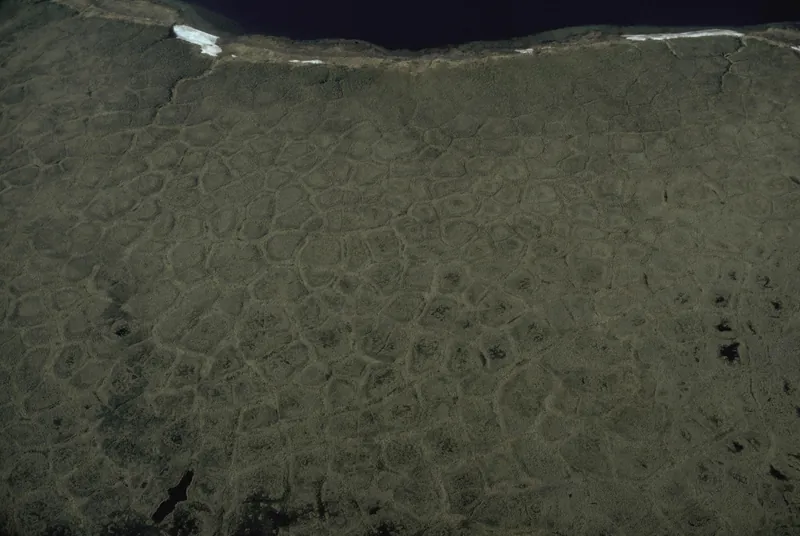
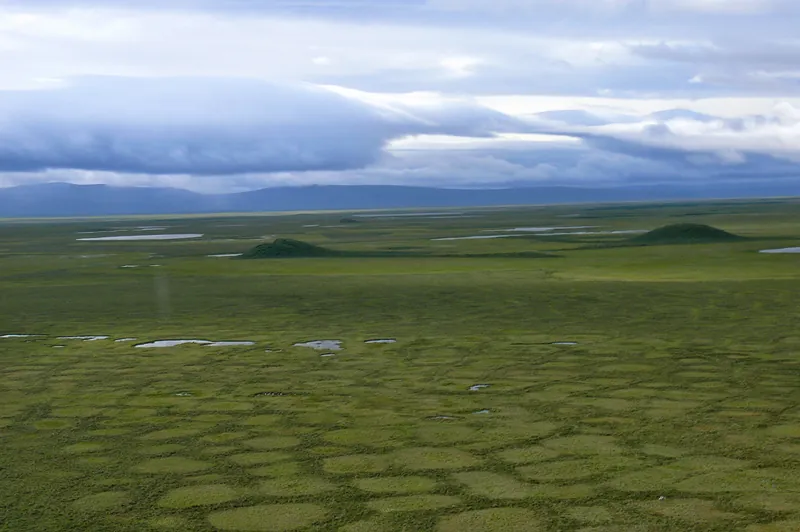
The polygons and pingos are Arctic landforms, seen from Alaska, not a picture of the Colorado alpine. For the comparison with high mountains, open the year-wheel desk.