Home · Alpine tundra
High elevation
Above the elevational treeline
Rocky Mountain National Park also says that, across the globe, there are two types of tundra — alpine and arctic — and that alpine tundra, the type found in the park, occurs at high elevations where temperatures are colder, winters are longer, and growing seasons are shorter. [NPS Rocky Mountain] RMNP’s tundra starts between 11,000 and 11,500 feet, a transition zone, or ecotone, where the forested subalpine zone shifts to the treeless tundra and is often referred to as treeline. [NPS Rocky Mountain] Approximately one-third of Rocky Mountain National Park is tundra, making it one of the largest examples of this type of ecosystem protected in the contiguous United States. [NPS Rocky Mountain]
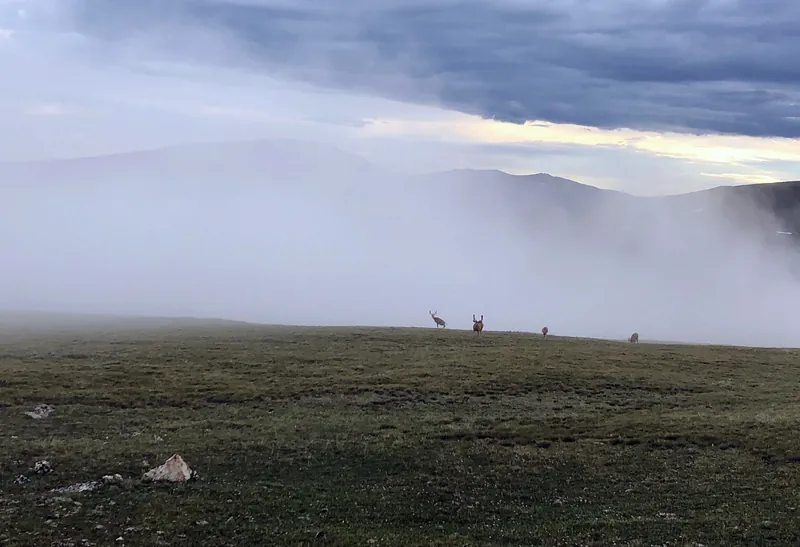
For alpine tundra, the same Park Service page says the growing season is approximately 180 days. [NPS Arctic] Summer on the tundra is short; snow is prominent on the landscape into June, with a few isolated snow patches remaining through the summer. [NPS Rocky Mountain] July is generally the warmest month on the park’s tundra, with an average high temperature of 52°F (11°C). [NPS Rocky Mountain] Tundra wildflowers in the park bloom from late May through early August. [NPS Rocky Mountain]
The Park Service’s Arctic-overview page gives alpine tundra a growing season of about 180 days. Rocky Mountain National Park gives its own summer: snow into June, flowers from late May to early August, and a July average high of 52°F. The longer figure is not treated here as if it were that park’s flowering season.
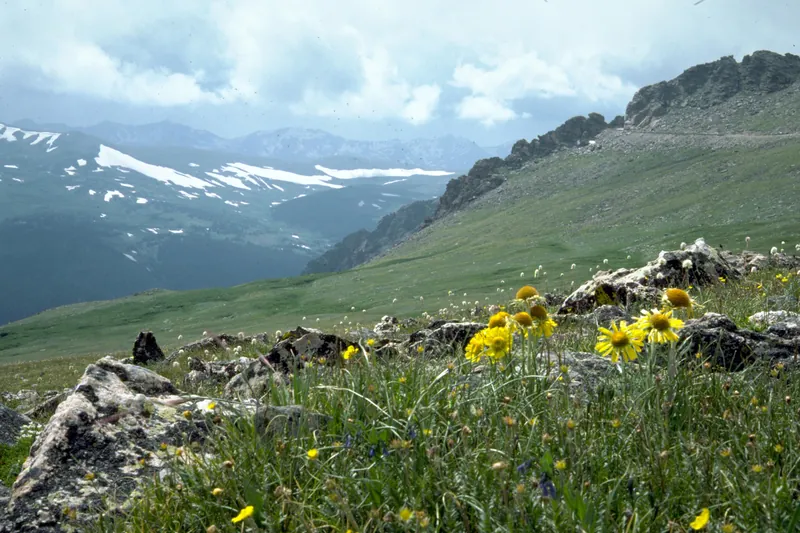
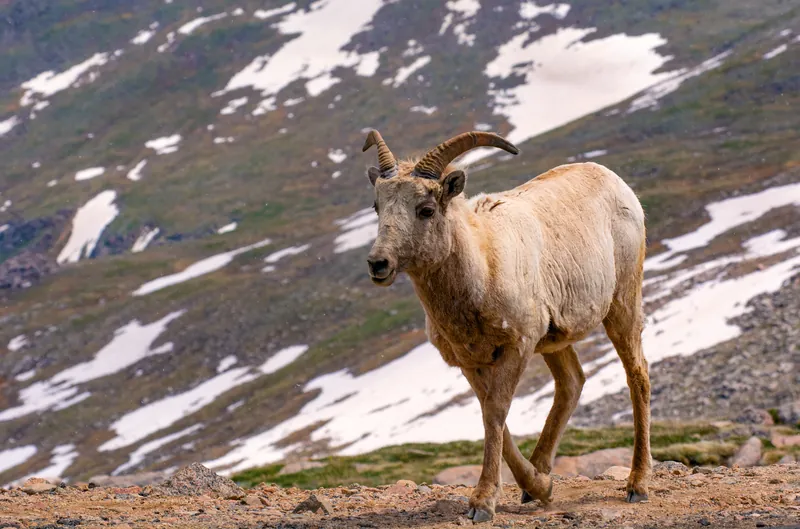
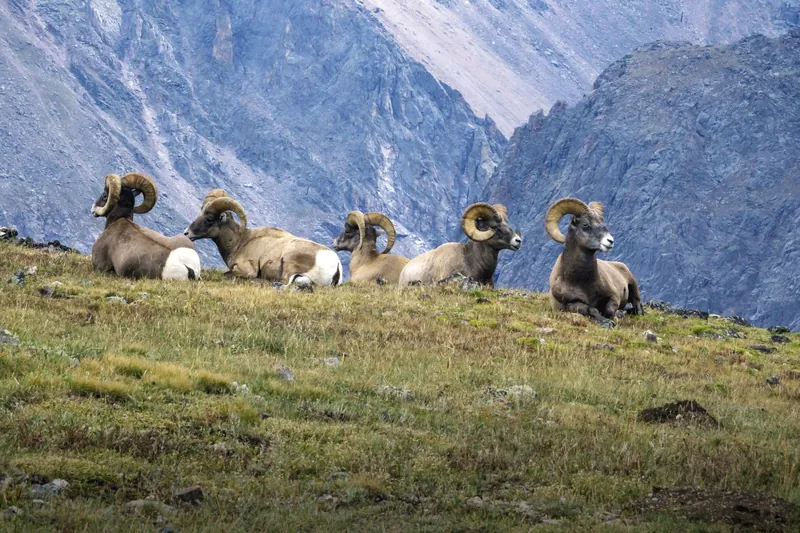
Alpine tundra is distinguished from Arctic tundra, that page says, in that alpine tundra typically does not have permafrost and alpine soils are generally more porous than Arctic soils. [NPS Arctic] Permafrost, which the park defines as an area with a permanently (year-round) frozen subsurface soil layer, is common and widespread in arctic tundra, but patchier within alpine tundra. [NPS Rocky Mountain]
The July photograph from Great Sand Dunes still shows lingering snow. The January photograph from Rocky Mountain is midwinter on the same kind of ground, in the same state, not an Arctic scene.